
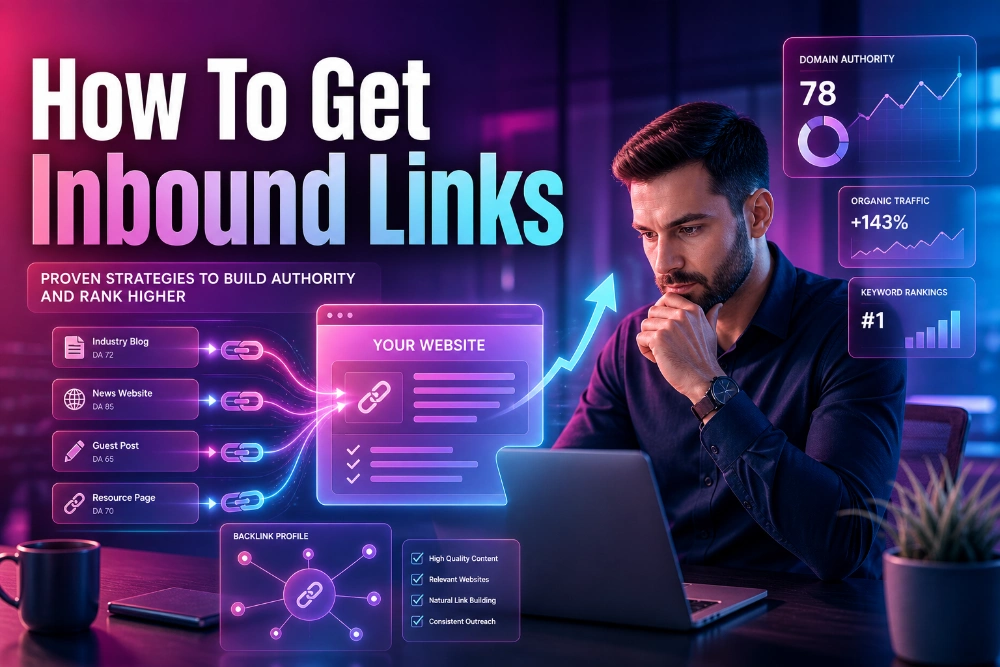
Getting inbound links, also known as backlinks, is an essential part of improving your website’s SEO. Inbound links help search engines understand your content’s credibility and authority. Without a solid strategy for acquiring these links, you may struggle to rank well in search results.
This article explores how to get inbound links and the best practices to ensure they contribute positively to your SEO efforts.
Why Inbound Links Matter for SEO
Inbound links are considered one of the most crucial ranking factors by search engines like Google. When high-quality websites link to your content, it signals trustworthiness and relevance. This helps improve your visibility and ranking on search engine results pages (SERPs).
A successful strategy for acquiring inbound links involves not just quantity, but also quality. Links from authoritative sites in your niche carry more weight than links from unrelated or low-quality sources. As you pursue inbound links, aim for a balance between relevancy and authority.
For example, you can start by submitting your website to trusted directories and building relationships with industry leaders for potential collaborations. These activities will naturally lead to inbound links, helping your content get noticed by the right audience. If you want to learn more about improving your social presence and engagement, consider how TikTok Viewer can help grow your online visibility.
Effective Strategies for Acquiring Inbound Links
There are several proven techniques for acquiring inbound links that boost your SEO efforts. These strategies include:
1. Creating High-Quality Content
Creating content that people find valuable is one of the best ways to acquire inbound links. Well-researched articles, blog posts, and infographics that offer fresh insights or solutions to common problems will naturally attract links from other websites.
One way to improve your content is by using visual elements such as images, charts, and videos. These types of content are more likely to be shared, which leads to more inbound links. Also, content that answers specific questions or addresses issues within your niche tends to perform well.
2. Guest Posting on Industry Blogs
Guest posting is another effective method for getting inbound links. By writing guest articles for high-authority blogs in your industry, you get the chance to showcase your expertise while securing backlinks to your own site.
Be sure to select blogs that are relevant to your niche and have a strong online presence. In your guest post, you can naturally embed links back to your website, which will direct their audience to your valuable content. Additionally, guest posting helps you connect with industry influencers and builds long-term relationships, which can lead to more link-building opportunities.
3. Reaching Out to Webmasters for Link Placements
Building connections with other website owners or webmasters is a great way to acquire inbound links. After identifying sites within your industry, reach out to request a backlink. This can be through a variety of methods such as offering to share their content in exchange for a link or suggesting content improvements.
The goal is to approach these outreach efforts respectfully and professionally, ensuring that your content provides value to their audience. For more insights on building effective relationships and increasing your website’s reach, check out this guide on why can’t I go live on TikTok.
Tools and Resources for Tracking and Managing Inbound Links
Tracking the success of your inbound link-building efforts is crucial to your SEO strategy. Several tools are available that can help you monitor where your inbound links are coming from and assess their quality.
Using tools such as Google Search Console, Ahrefs, or SEMrush will give you insights into the links pointing to your website. Regularly analyzing your inbound links helps you identify which content is attracting the most attention and refine your strategy accordingly.
Conclusion
In conclusion, acquiring inbound links is a continuous process that plays a significant role in enhancing your site’s SEO. By following the right strategies like creating quality content, engaging with other website owners, and leveraging the right tools, you can build a strong link profile.
The process of obtaining inbound links may take time, but it’s a crucial element of long-term SEO success. Focus on building relationships, producing content people want to share, and using SEO tools to track your progress.
FAQs
How do inbound links affect SEO?
Inbound links are crucial for SEO because they signal to search engines that your content is valuable. High-quality inbound links from reputable sources improve your website’s authority, boosting your chances of ranking higher on search engine results pages (SERPs).
What is an inbound link?
An inbound link, also known as a backlink, is a hyperlink from one website to another. When another site links to your content, it helps increase your site’s visibility and SEO rankings. The more quality inbound links, the better for your SEO performance.
How can I acquire inbound links?
To acquire inbound links, focus on creating valuable content, engaging in guest blogging, participating in industry forums, and reaching out to influencers. Collaborate with authoritative sites in your niche for link-building opportunities. Quality over quantity matters when it comes to backlinks.
Why is content quality important for inbound links?
High-quality content is crucial for inbound links because valuable, informative, and engaging content attracts backlinks. When your content solves problems or provides insights, other sites are more likely to reference it as a resource, leading to more inbound links.
How do I build inbound links through guest blogging?
Guest blogging is an effective strategy for building inbound links. By writing high-quality posts for relevant blogs in your niche, you get the opportunity to include a backlink to your website. Ensure the host blog is reputable and aligns with your industry.
What role do social media platforms play in gaining inbound links?
Social media platforms help amplify your content’s reach, increasing the likelihood of earning inbound links. By sharing your content and engaging with your audience on social media, others may find your work and link to it on their websites or blogs.
What are some common strategies for building inbound links?
Some common strategies for building inbound links include creating shareable content like infographics, conducting outreach to industry bloggers, using online directories, writing guest posts, and building relationships with influencers. Diversifying your link-building tactics is key to success.
How can I use broken link building for SEO?
Broken link building involves finding broken links on websites in your niche and offering your content as a replacement. This method benefits both you and the website owner, as you help them fix broken links while securing a backlink for your site.
Should I avoid low-quality inbound links?
Yes, low-quality inbound links can harm your SEO rather than help it. Links from spammy or irrelevant sites are seen as unnatural by search engines, potentially leading to penalties. Focus on acquiring links from authoritative, relevant sources for the best results.
How do internal links affect my SEO?
Internal links are links that point to other pages on your website. While they don’t directly boost your site’s SEO rankings, they help distribute link equity across your site, making it easier for search engines to crawl your pages and improving overall site structure.
What is the importance of link relevancy?
Link relevancy refers to the relationship between the linking site and your content. Relevant links from websites in your industry are more valuable than irrelevant links. Search engines prioritize relevant backlinks as they indicate that your content is authoritative within your niche.
Can I buy inbound links?
Buying inbound links is against search engine guidelines and can lead to penalties, including a drop in rankings. Focus on earning natural, high-quality links through genuine efforts like content marketing, outreach, and guest blogging, rather than resorting to paid link schemes.
How can infographics help with inbound link building?
Infographics are an excellent tool for inbound link building because they make complex information easier to digest. People are more likely to share and link to an infographic, especially when it is visually appealing and packed with useful data.
What is the best way to track inbound links?
To track inbound links, use SEO tools like Google Search Console, Ahrefs, or SEMrush. These tools let you monitor your backlinks, assess their quality, and identify opportunities for additional link building, helping you track your SEO progress.
Can commenting on blogs help get inbound links?
Leaving insightful comments on blogs can potentially lead to inbound links, though this is not a guaranteed method. To get a backlink through blog commenting, ensure your comments add value to the conversation and are not used solely for link-building.
How do nofollow links affect my SEO?
Nofollow links do not pass link equity to your site, which means they do not directly impact your rankings. However, they still provide value by driving traffic to your site and increasing visibility, which can lead to more natural, follow links over time.